Previously, I told you I would post the hyperdoc I created for the Emotions/Stress portion of the Motivation and Emotions unit. I finally have a chance to do that. FYI, this doc is created for my textbook Myers for AP, 2nd edition. Myers does not include everything and has some materials that I find to be superfluous. Careful reading will show where I have added and omitted questions.
As always, I appreciate feedback and constructive criticism.
MORE EXCITING PSYCHOLOGY PROFESSIONAL DEVELOPMENT IN THE MIDWEST!
From blogs.lawrence.edu :
The intersection between the liberal arts and emerging technologies that reveal new answers for the way the human brain functions will be the basis for a new speaker series at Lawrence University.
Over the course of the next eight months, five national experts will explore how brain research is connected to various areas of the liberal arts, including religious studies, music, art and literature.
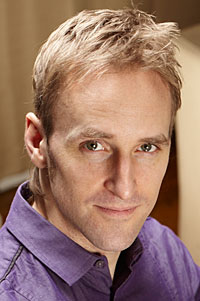
Edward Vessel
The series, “Liberal Arts in the Century of the Brain,” will incorporate the interdisciplinary areas of neuroscience and cognitive science to create connections with other disciplines at Lawrence by examining questions such as whether the brain processes literary fiction differently than formula fiction or how perception, emotion and cognitive processing impact creative expression.
Edward Vessel, director of the New York University ArtLab and a noted research scientist at NYU’s Center for Brain Imaging, opens the series Wednesday, Sept. 30 at 7 p.m in Steitz Hall of Science 102 with the presentation “Art and Neuroesthetics.” A question-and-answer session follows. The event is free and open to the public.
The emerging field of neuroaesthetics uses neuroscience to study art to determine why certain works of art produce an emotional response. Through the use of neural imaging, Vessel will share recent research that focuses on understanding the basis for how people derive pleasure and inspiration from various art forms and how this may be related to learning, motivation and well-being.
What a great way to bring Neuroscience and the Science of Psychology to students, teachers (of all disciplines, but especially us Psychology lovers), and the general public.
The OCTOBER speaker is none other than Dr. Richard Davidson. For real. So exciting. He will speak at 11:10 on October 30th in the Chapel at Lawrence. No cost to the public. For more information on Dr. Davidson's amazing work, check out his website here. SO EXCITING.
I'm so excited for all the amazing opportunities being presented for HS Psychology teachers in and around my state. Wonderful!
On her website, Amy Poehler's Smart Girls, there is a video entitled, "Just breathe." It is a wonderful short examining what happens to the body and brain when we get angry or excited and how to counteract the rush of emotions. Great video and ideas to control emotions. http://amysmartgirls.com/short-film-just-breathe-helps-kids-deal-with-emotions/
I had bookmarked a site I wanted to share with everyone. I have already written about Jane McGonigal and her TED talk about gaming. Her twin sister, Dr. Kelly McGonigal has complied a continuing studies course called, "How to Think Like a Psychologist" available on iTunes. This link takes you to the Open Culture write-up of the course: http://www.openculture.com/2014/02/how-to-think-like-a-psychologist-a-free-online-course-from-stanford.html
This is a cross-post to both the Teaching High School Sociology and Psychology Blogs. This chart shows primary emotions and the less-used words that are related. The chart also offers us some untranslatable nuanced terms that are found in other, non-English languages.
In January (2010) PBS introduced a three-part series, This Emotional Life, which explored the psychological aspects of emotions and human interactions.
Hosted by Daniel Gilbert, the series' website can be found at http://www.pbs.org/thisemotionallife/series which includes a number of good items including video clips from the series. Be sure to check out the "resource finder" section.
Scientific American has been rife with articles about psychological topics of late. In addition to the usual in Scientific American Mind, recent articles deal with cognitive enhancers, depression, blushing and more.
I am such a fan of these two magazines. They highlight current research as well as give us potential examples of nearly everything we do within our psychology classes. If you are not already a subscriber, I recommend it. Otherwise, keep up with the news with what they post online.